


Take the risk out of vendor reports.
One signed record from every vendor, checked at the weld.
Errors are caught as the data goes in, and every report reaches you in your layout the day the work is signed.
Sound familiar
The report is what you keep.
Your vendor’s crew inspects the weld and moves on. What stays with the asset for decades is the report, and today it often arrives months after the work, in a different format from every vendor, through a chain of emails.
When a vendor’s report is wrong, the risk is yours: an audit finding, a weld nobody can prove was inspected, or a line dug up again.
Errors your vendor should catch
You count on your vendor to find mistakes before a report reaches you, and often they don't. A wrong weld number or acceptance table found at audit can send a crew back to dig.
With Weld DoneEach entry is checked against the job's code as it's captured, and every signature carries the tech's certificate and level.
In your format
Your systems decide how a report is structured, worded, and saved. Every vendor reports its own way, so your team reworks reports before anyone can compare them.
With Weld DoneEach vendor builds the layout you ask for as its template, so reports read the same whoever did the work.
Crews that come and go
Vendor crews rotate, often just as they've learned your site and how your systems connect. The next crew starts over, and the reports show it.
With Weld DoneThe job carries the vendor's procedures and your layout, so a new crew reports the same way on day one.
When the work is done
Vendor reports often reach your database two to three months after the work, and interim results sit in email chains.
With Weld DoneEach dig gets one signed record with numbered revisions, in your Portal the day the work is signed.
Security
Ready for your IT review.
Larger owners review security, architecture, and data ownership before a vendor tool goes near their data. Bring your IT team to the demo.
Encrypted
In transit and at rest.
Role-based access
People see what their role allows, and nothing else.
Revision history
A signed report locks, and every change after that is a numbered revision.
Records you can take
Every signed report and its files download from the Portal.
Security documentation
Ask for it on the demo.
What changes
What every vendor report carries.
One signed record
Operator and Evaluator sign on site with a PIN, each with certificate, level, and date. A signed report locks, and every change is a numbered revision.
See the PortalChecked at the weld
Each RT, VT, and UT indication is checked against the acceptance limits as it's entered. A reject shows the clause, the value, and the limit, and the tech still makes the call.
How the code checks workThe full weld history
Rejects and repairs stay on the weld's record, beside the weld they repair. Radiographs and photos open in the Portal, and every file downloads.
What's on the record
Industries
NDT inspection software that works across industries.
 Oil, gas, and petrochemicalJobs start from the owner's assignment, with details that range from thorough to barely enough. Techs confirm and correct what comes with the job instead of retyping it, missing or out-of-range entries are flagged before the client sees them, and it all works with no signal.
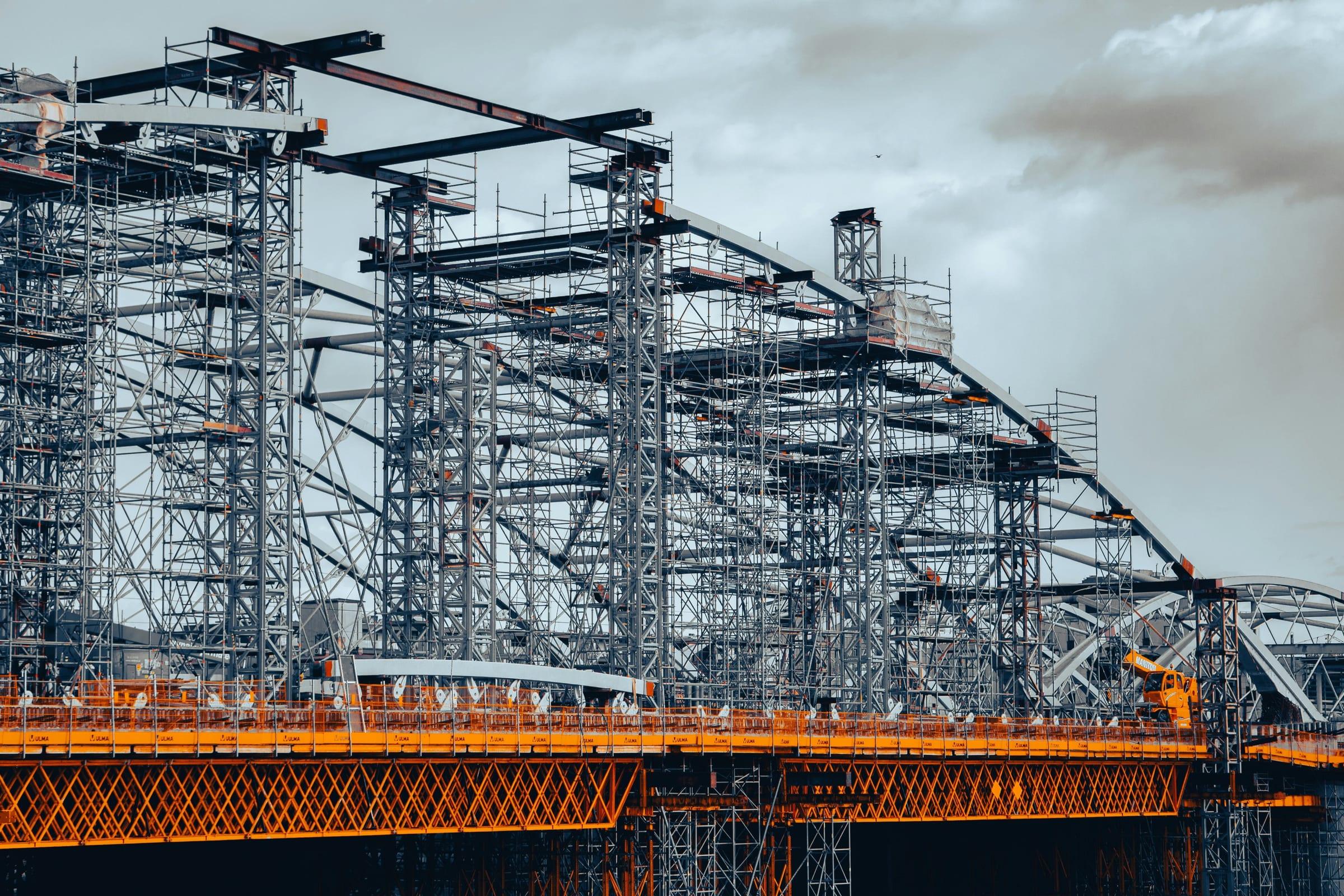 Construction and infrastructureA busy job means hundreds of weld IDs, and the GC wants results the same day. The weld log loads once, so techs pick the weld instead of typing the ID, repairs stay linked to the original weld, and every GC's template runs in one app.
 Aerospace and aviationEvery finding has to trace to the part, serial number, tech level, and procedure revision, and one paperwork error can fail an audit or hold an aircraft. Each customer's form is set up once, and sign-off on the tablet gets parts released sooner.
Proof
Results measured in production.
Measured by Weld Done at Nordic NDT.
“I had to double-check and basically correct every report. With Weld Done, I don't have to do that double work anymore.”
Working with


How it starts
Start with one vendor.
You don't have to move every vendor at once.
Bring a vendor report
Book a demo and bring a report one of your vendors sent you. We'll show the same job in Weld Done.
One vendor and one job
Pick a vendor and an upcoming job. An ASNT Level III sets that vendor up on its own procedures, with your layout as its template.
Then ask the rest
Compare the reports with what you get today. When they land the way you want, ask your other vendors to report the same way.
Team
Built for field-ready compliance.
Guided by an ASNT Level III who helps build out each method and standard, our platform is designed to give asset owners complete confidence in their inspection data. It was shaped on live jobs with service company crews to ensure real-world reliability. Your vendors’ certified technicians still make every technical call at the weld, while Weld Done quietly enforces your specific code requirements and formatting in the background.
About the team
FAQ
Questions.
Every other answer is on the FAQ page.
Can every vendor report to us in one format?
Yes, for vendors who report in Weld Done. Each vendor builds the layout you ask for as its template, so their signed reports reach the Portal in it, with numbered revisions.
Do our vendors have to change how they work?
Their techs capture each weld on a phone or tablet at the job instead of writing it up later. An ASNT Level III sets Weld Done up on the vendor's own procedures, and the report comes out in the layout you asked for.
How do we review vendor reports?
Each vendor's signed reports are in the Portal, with who signed, on which certificate, the revision number, and the files.
Does it detect flaws?
No. Weld Done doesn't find flaws in images or call defects. Your vendors' certified techs make every call. Each entry is checked against the job's code as it's captured.
Can inspection data flow into our own systems?
We scope that with your team. Until then, every signed report and its files download from the Portal.
Want a vendor to report in Weld Done? Show them what changes for their crews.

See your own report rebuilt.
Book a 30-minute demo on one of your real reports.
Not ready to talk? The calculator works out hours and costs back from your own numbers.