

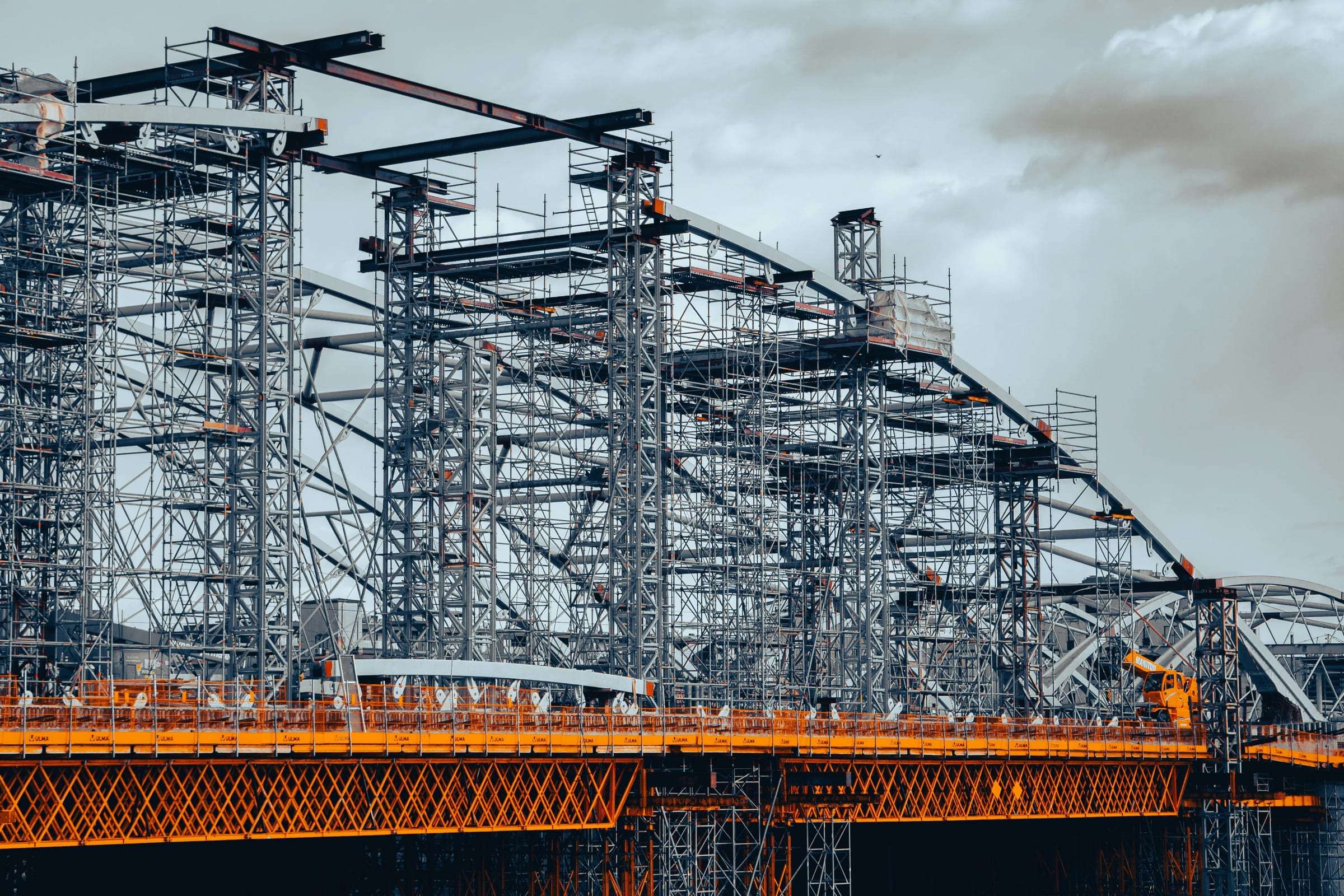
Construction and infrastructure
Structural reports done in the field.
Weld inspection software for structural steel, bridges, water mains, and tanks. Each weld goes in at the job, every reject and repair stays on its record, and the report comes out signed the same day in the format your client already knows.
The work
Structural and civil work.
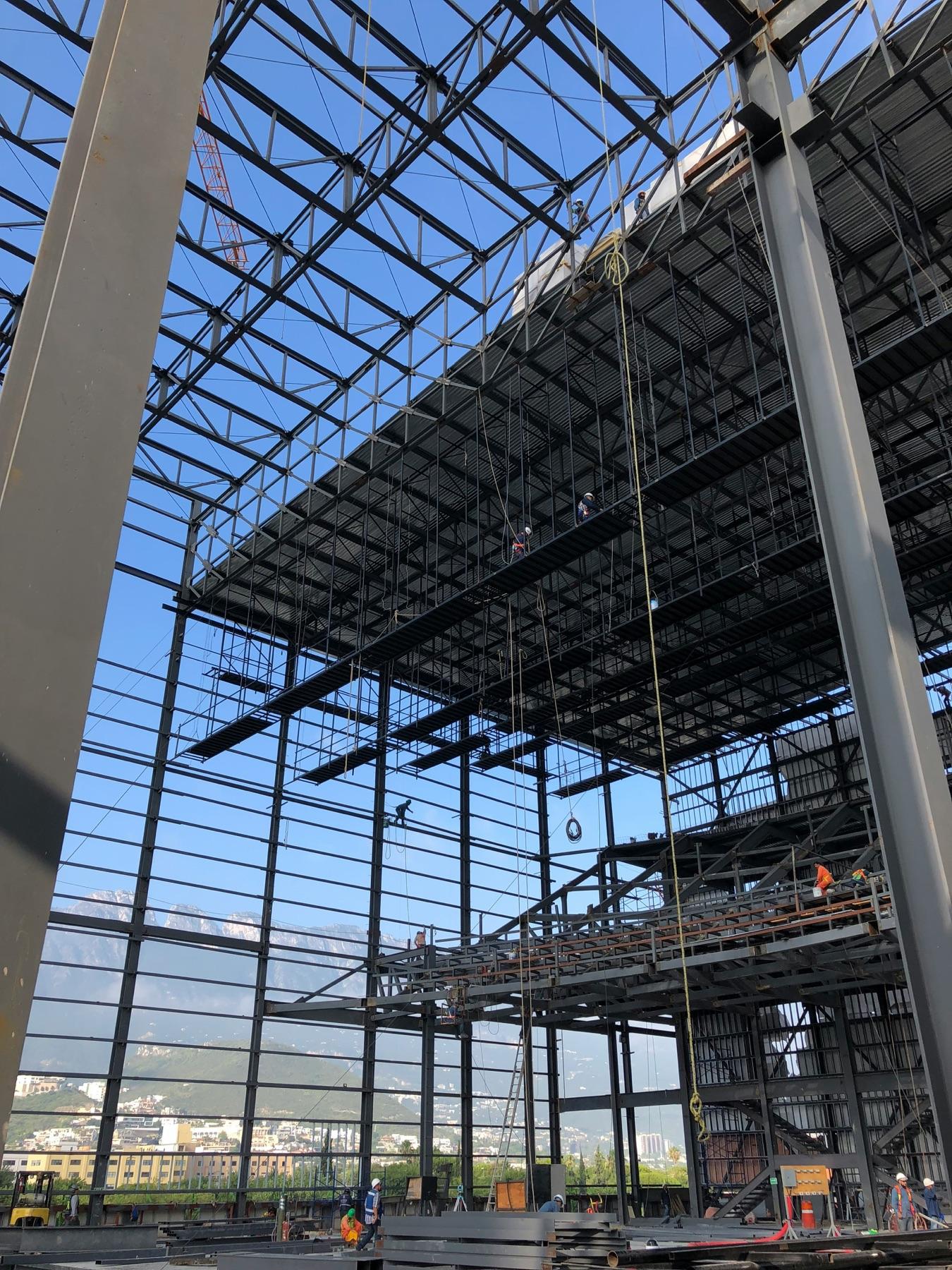
Structural steel and fabrication
Fabrication and field welds on buildings and structures, including heavy construction.

Bridges
Bridge steel, new and in service.
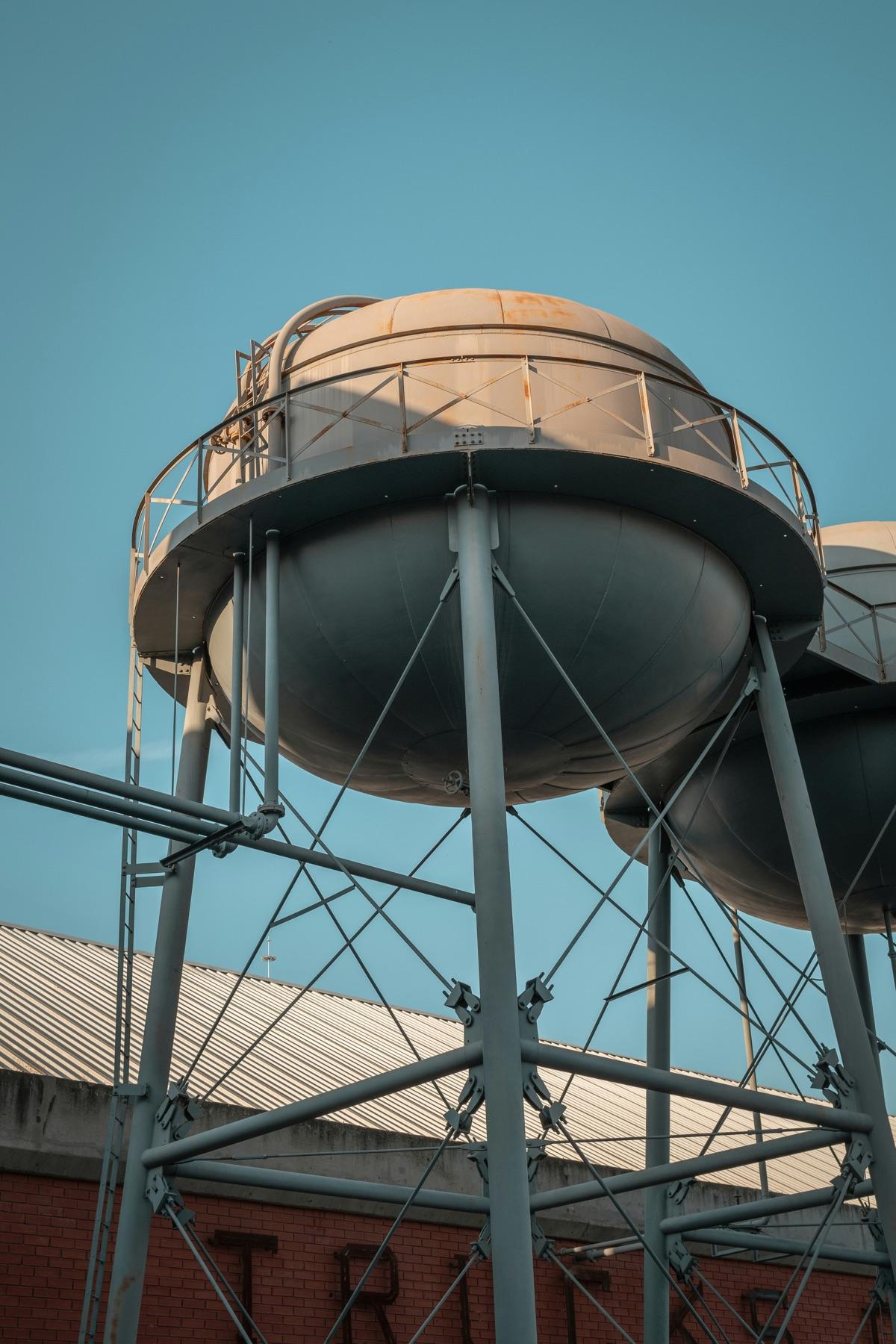
Water mains and tanks
Water mains, storage tanks, and other utility structures.
What changes
On every job in this industry.
Your plan sets the procedures on every job.
The job starts from your inspection plan, so its procedures come with it. Adding one later needs a written reason.
Bridges, water mains, tanks, and structures in one NDT reporting system.
One standard format across crews and job types.
Your template, not ours.
Reports come out in your template, with your stamp.
Who it's for
One record. Both sides of the job.
Proof
Results measured in production.
Measured by Weld Done at Nordic NDT.
“I had to double-check and basically correct every report. With Weld Done, I don't have to do that double work anymore.”
Working with

How it works
Checked against the code at capture.
Signed at the job.
The report is built during the inspection.
Every weld, shot, and parameter on a phone or tablet. Capture, save, and sign with no signal.
Each RT, VT, and UT indication checked against the acceptance limits as it's entered, not after the report is written.
The report comes out in your own template, each field filled from the job's data.
Signed reports filed by job and delivered, with numbered revisions.
Equipment for every method, picked for the job
Codes behind the work
The codes this work runs on.
Structural steel runs to AWS D1.1 in the US and CSA W59 in Canada.
- AWS D1.1Structural Welding Code — SteelWelding and inspection of structural steel.US
- CSA W59Welded steel constructionWelding and inspection of structural steel in Canada.Canada
Ask us which of these your reports are built to today.
All 57 codes in the Library →FAQ
Questions from construction teams.
Every other answer is on the FAQ page.
How does Weld Done keep track of repairs and re-shoots?
Each weld keeps its full history. A rejected shot and its repair shot both stay on the weld's record, and a reject needs a written reason and a code reference. The record shows what happened and why.
Can each general contractor get its own report template?
Yes. Each client's layout is built in the Template engine, and the tech's entries come out in whichever one the job needs.
Does it build our turnover package?
It builds the NDT part of it. Signed reports with numbered revisions are ready to pull from the Portal. Records from welding, coatings, and the other trades stay with them.
Which codes does it cover for structural work?
AWS D1.1 for the US and CSA W59 for Canada are in the Library. Tell us your codes on the demo and we'll tell you which reports can be built to them today.
See your own report rebuilt.
Book a 30-minute demo on one of your real reports.
Not ready to talk? The calculator works out hours and costs back from your own numbers.