

Code
API 653: inspecting and repairing storage tanks.
The code for aboveground storage tanks in service: shell, floor, and roof inspection, repairs, and whether a tank is fit to keep holding product.
What it covers
API 653 in plain terms.
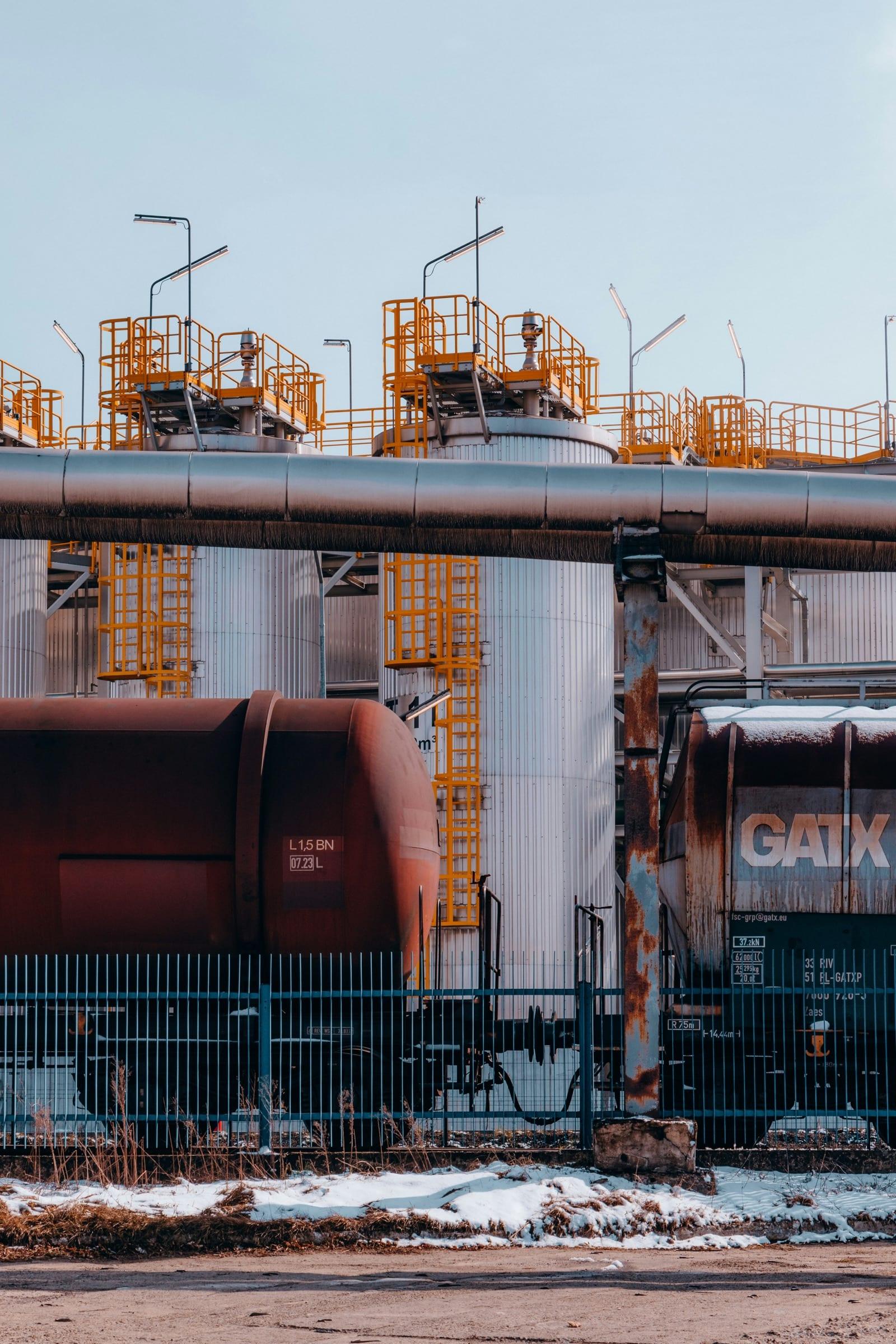
API 653 covers storage tanks after they're built: inspection, repair, alteration, relocation, and reconstruction. New tanks are built to API 650.
It works on three levels: routine checks by the owner's people, external inspections by an authorized inspector, and internal inspections with the tank out of service, cleaned, and open.
The floor is where most tanks fail and the hardest part to see. Floor scanning, thickness measurement and the condition of the underside decide the internal inspection interval.
The code also covers what a repair needs: welding, examination of the new welds, and when a hydrostatic test is required after major work, or when an engineering evaluation can stand in for it.
Where it’s used: Oil, gas, and petrochemical
In the glossary: Hydrostatic test · In-service inspection
Regulation
Spill prevention rules and fire codes often point to API 653 as the industry standard for inspecting aboveground storage tanks. Owners usually adopt it in their tank integrity programs.
- Full title
- Tank Inspection, Repair, Alteration, and Reconstruction
- Issued by
- American Petroleum Institute (API)
- Applies to
- Aboveground atmospheric storage tanks built to API 650 or its predecessor, API 12C
- Required by
- Owners' tank programs, and environmental and fire rules that point to it
- Inspector
- An API 653 authorized inspector
- Inspections
- Routine in-service checks by the owner · external inspections · internal inspections out of service
- Built to
- API 650
- Related codes
- API 510 for vessels · API 570 for piping · API 575 for tank inspection practice
Who it's for
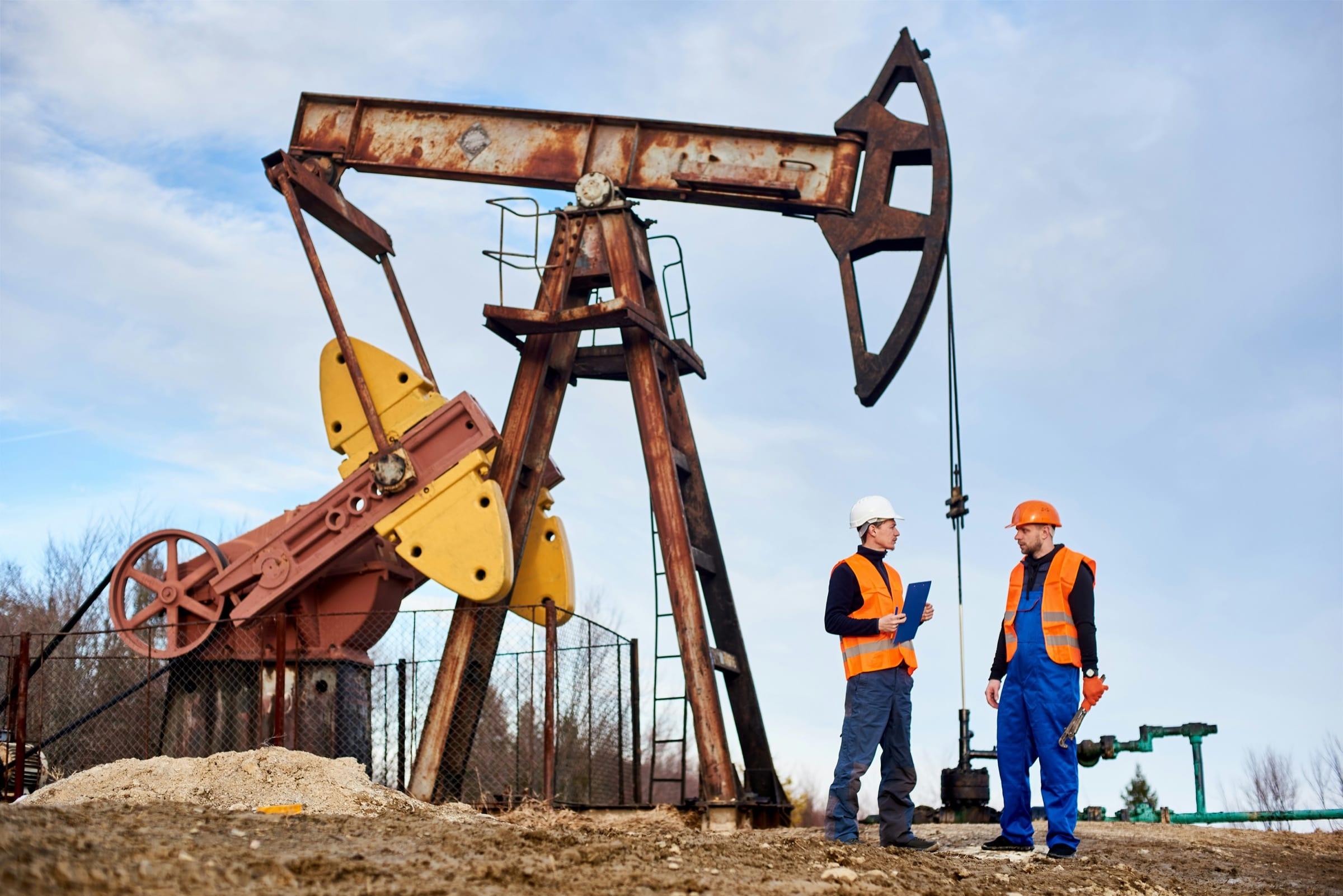
One record. Both sides of the job.
How inspection works
Methods under API 653.
Who sets the procedure, who sets acceptance, and who may do the work, method by method.
| Method | Procedure | Acceptance | Certification |
|---|---|---|---|
| Visual (VT) | External and internal visual inspection, shell, roof, floor, and foundation | The authorized inspector's assessment against API 653 | API 653 authorized inspector |
| Ultrasonic thickness (UT) | Shell and roof readings; floor prove-up | Minimum thickness rules in API 653 | UT Level II, or a qualified thickness technician |
| Floor scanning (magnetic flux leakage) | Scanning the floor plates for underside and topside loss | Prove-up by UT, then API 653 floor minimums | Technique-specific qualification |
| Repair welds (surface, volumetric, and vacuum box testing) | Per API 653 and API 650 for the joint type | API 650 criteria for new welds | Level II in the method |
Acceptance criteria
How a weld passes or fails.
API 653 asks whether the tank can stay in service, at what fill height, and for how long.
- Shell thickness is compared with the minimum for the tank's fill height and product, course by course.
- Floor thickness, after scanning and prove-up, is compared with the floor minimums, and the projected loss sets the next internal inspection.
- Settlement is surveyed and compared with the code's limits for the shell and the floor.
- Repairs and alterations are designed, welded, and examined to API 653, with new welds accepted to API 650.
- A major repair or alteration needs a hydrostatic test, or an engineering evaluation that shows one isn't needed.
A summary, not the code. Limits and exceptions are in the edition your job works to.
The report
What API 653 reports have to carry.
The fields a Level III checks before signing. Miss one and the report comes back.
- Tank ID, product, dimensions, and design and construction standard
- Inspection type, and the previous inspection it follows
- Shell, roof, and floor thickness data, with the floor scan map
- Settlement survey results
- Findings with location, size, and photographs
- Calculated minimum thicknesses, remaining life and allowable fill height
- Repairs required, and the next inspection dates
- Inspector name, API 653 certification number and signature
Where reports go wrong
The API 653 mistakes that send a report back.
How the job's procedures come from your plan
The NDT reporting checklist: eight ways to get reports right the first time
The floor map doesn't match the plates.
Scan data that can't be placed on the floor layout can't drive repairs or the next interval.
Pages of narrative, no checks.
Tank reports run long, and nothing checks that a minimum thickness or remaining life adds up.
New welds accepted to the wrong criteria.
Repair welds are accepted to API 650. Calling them against another code's limits doesn't hold.
No hydrotest decision on file.
After a major repair, the report has to show either the test or the evaluation that replaced it.
FAQ
Questions.
Every other answer is on the FAQ page.
What does API 653 cover?
Inspection, repair, alteration, relocation, and reconstruction of aboveground atmospheric storage tanks in service. New tanks are built to API 650.
What's the difference between API 650 and API 653?
API 650 is the construction standard for new welded tanks. API 653 governs those tanks once they're in service.
How often are tanks inspected under API 653?
The owner checks routinely, an authorized inspector inspects externally at intervals the code caps, and internal inspections are set by the floor's corrosion rate, also with a maximum.
When does a repaired tank need a hydrotest?
After a major repair or alteration, unless an engineering evaluation under API 653 shows the test isn't needed.
See your own report rebuilt.
Book a 30-minute demo on one of your real reports.
Not ready to talk? The calculator works out hours and costs back from your own numbers.